
A lot of Middletown homes were built in the 1960s through 1980s, back when every room had its own walls, its own door, and its own little world. That worked for the time.
Today, most homeowners want the opposite: kitchens that open to living rooms, sight lines that stretch across the whole main floor, spaces where one room doesn’t end abruptly and another begins.
Converting a closed floor plan starts with identifying which walls can come down, confirming what’s structural, pulling the right permits through Middletown Township, and replacing load-bearing walls with properly engineered beams.
Why Many Middletown Homes Still Have Closed Layouts
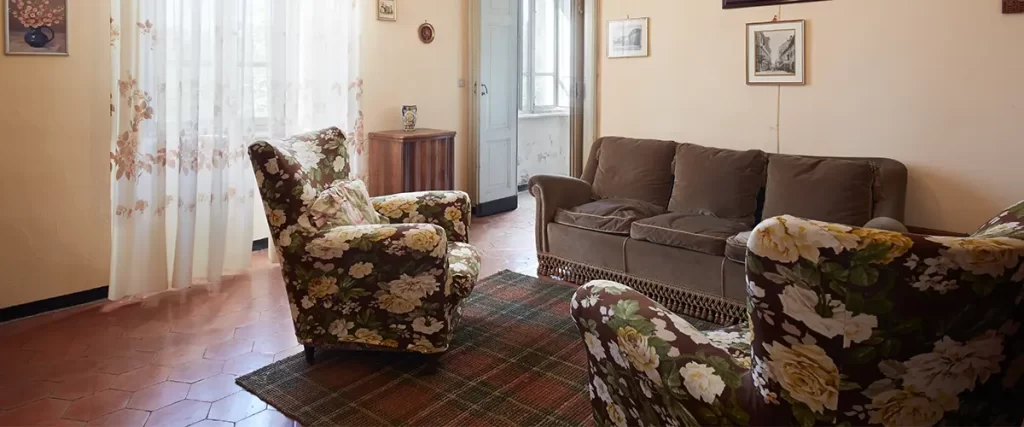
Middletown Township saw most of its residential growth during the postwar decades, and the homes built during those years followed a compartmentalized design philosophy. It made sense when families spent time in distinct parts of the house doing distinct things.
Now those same homes belong to families who cook, help with homework, and watch TV simultaneously in the same general area. The walls that once defined the space have become obstacles. Knocking them out changes how the home actually functions day-to-day.
The Wall-Removal Process, Broken Down
Here’s what a typical open floor plan conversion looks like from start to finish:
| Stage | What Happens |
| Wall Assessment | A contractor identifies whether the wall is load-bearing or partition-only |
| Structural Engineering | A licensed engineer specifies the beam size, post placement, and footing requirements |
| Permit Application | Plans submitted to Middletown Township’s Building & Inspection Department for review |
| Temporary Support | The ceiling is shored up while the wall comes down |
| Beam Installation | A steel or LVL beam is set in place and properly supported at each end |
| MEP Relocation | Any plumbing, HVAC ducts, or electrical in the wall gets rerouted |
| Finish Work | Drywall, paint, flooring, and trim work bring it all together |
Skipping permits creates problems when you sell the house, when you refinance, and in the unlikely but serious scenario that something goes wrong structurally.
Load-Bearing vs. Partition: How to Tell
The honest answer is that you can’t always tell just by looking. There are general clues:
- Walls that run perpendicular to floor joists are more likely to be load-bearing
- Walls that sit above a beam or another wall on the floor below are often structural
- Walls near the center of the home carry a higher chance of being load-bearing than exterior partition walls
- Walls with plumbing or HVAC running through them add complexity, regardless of structural status
A contractor with structural experience can identify this quickly. An engineer then confirms it and specifies exactly what needs to happen to carry the load another way.
What Permits Cover in Middletown
Permits for a floor plan conversion in Middletown Township typically include a building permit for the structural work and, depending on what’s inside the wall, separate permits for electrical and plumbing.
The municipality has up to 20 business days to review a complete application, though straightforward structural projects often move faster.
Inspections happen at key stages: once the temporary shoring is in place, after the beam is set, and again at close-out. All of this protects you legally and financially, and it protects the house structurally.
A good contractor handles the permit process for you.
If you’re planning a full floor plan reconfiguration alongside other improvements, you might also find our blog on structural changes that require engineering approval in Monmouth County helpful.
The Cost of Converting a Closed Floor Plan

Costs vary depending on whether the wall is load-bearing, what’s running through it, and what the finish work looks like on the other side.
That said, here are realistic ranges for Middletown homeowners:
- Partition wall removal: $1,200 to $3,000
- Load-bearing wall removal with beam installation: $8,000 to $20,000+
- Wall removal with significant MEP relocation: $15,000 to $30,000+
The wide range in load-bearing removals comes down to beam type, span length, and the amount of finish work required afterward.
What to Look for in a Contractor for This Type of Work
Floor plan conversions aren’t the job for a general handyman.
The structural element requires someone who understands how loads transfer through a house, can read engineering drawings, and has a track record of working with municipal inspectors through the permit process.
A few things worth asking any contractor before signing:
- Do you work with a licensed structural engineer? (If they say this step isn’t necessary, move on.)
- Who pulls the permits? (Your contractor should handle this, not leave it to you.)
- How do you handle MEP that’s in the wall? (They should have a plumber and an electrician they work with regularly.)
- What does the flooring repair process look like? (It should be in the scope, not an afterthought.)
- Can I see a project like this you’ve done before? (Before and after photos, not just a verbal answer.)
For a deeper look at exactly what’s involved when walls come down, our blog on removing load-bearing walls in NJ homes walks through the specifics in detail.
FAQ
Does removing a wall always require a permit in Middletown, NJ?
Any work that involves cutting away a wall, removing a structural beam, or altering load-bearing supports requires a building permit in New Jersey. Middletown Township follows this standard.
How long does a typical floor plan conversion take?
For a single load-bearing wall removal, the physical work usually takes one to two weeks, depending on complexity. The permit process adds time on the front end, typically two to four weeks before demo begins. Projects that include MEP relocation and significant finish work can run three to six weeks total.
Can any wall be removed in a Middletown home?
Partition walls, which carry no structural load, can typically be removed with straightforward work. Load-bearing walls require engineering, a replacement beam, and proper support. Some walls cannot be removed at all due to their structural position or because of what’s inside them, like a main plumbing stack. A licensed contractor with structural experience can assess which category any given wall falls into.
Does an open floor plan always increase home value?
In most Monmouth County markets, open layouts correlate positively with buyer interest and sale prices. The actual value added depends on the quality of the work, the permitting record, and how the finished space integrates with the rest of the home.
You Can Hand This Over To Us
Renewal Solutions handles floor plan conversions in Middletown and throughout Monmouth County as part of our full-service home remodeling work. One team, in-house, from the permit application through the final paint touch-up.
If you’d like to talk through what your specific project would look like, call us at (732) 788-4737 or message us here. For the full picture of what our home remodeling services cover, visit our home remodeling page.