
If you’re thinking about opening up your floor plan, removing a wall, or adding square footage to your home, here’s the short answer: yes, you almost certainly need a structural remodel permit. And in many cases, you’ll also need engineering approval before a single nail is pulled.
Monmouth County homeowners face this reality constantly, especially during kitchen expansions, basement conversions, and major additions, where the scope of work often goes well beyond cosmetic updates.
Understanding which projects trigger these requirements, why engineering sign-off is involved, and what the process actually looks like can save you a lot of headaches. This article breaks it all down.
What Makes a Structural Change Different From a Regular Renovation?
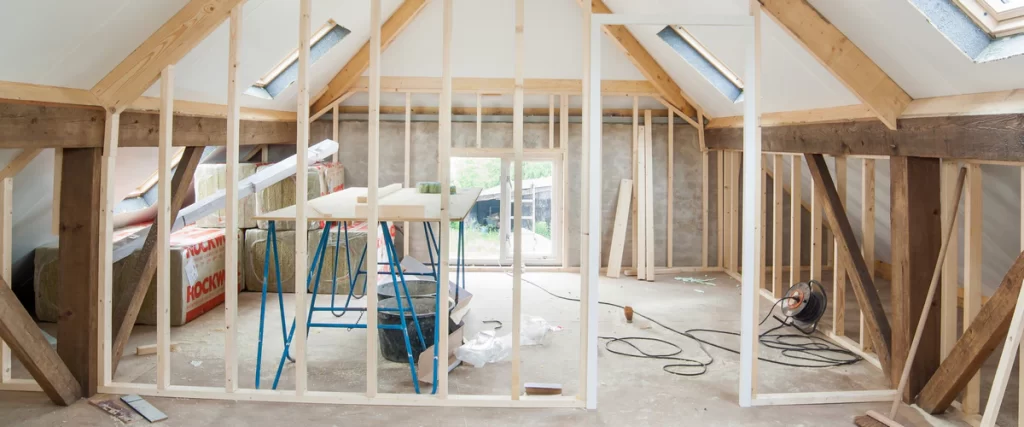
Not every home improvement project requires permits.
Painting walls, replacing flooring, swapping out cabinet faces, and installing a new light fixture are generally considered cosmetic or minor work under the NJ Uniform Construction Code (UCC). Your local building department won’t come knocking for those.
However, the moment you start touching the bones of the house, the rules change.
Structural changes involve elements that carry or transfer load. Think beams, columns, foundations, and the walls that hold up everything above them.
Incorrectly altering any of these elements can compromise the integrity of the entire existing structure, which is exactly why local municipalities require oversight.
It’s also worth noting that not all structural changes are obvious. Moving walls, rerouting plumbing lines, adding new electrical circuits, or altering air conditioning ductwork as part of a larger renovation can each trigger permit requirements depending on how the work is scoped.
What Counts as Minor Work, and What Doesn’t
Common examples that do not require a permit in New Jersey:
- Interior and exterior painting
- Replacing flooring without altering structural support
- Swapping out a water heater with no fuel or location change
- Installing a light fixture in an existing location
- Replacing air conditioning components without rearranging ductwork
- Minor repairs to existing roof covering on a detached one or two-family dwelling
Common examples that do require a permit:
- Any electrical work involving new circuits or wiring alterations
- Moving or adding plumbing lines
- Removing or cutting into any wall, including partition walls that reconfigure space
- Any work affecting structural or fire safety
- Mechanical system changes that go beyond like-for-like replacement
When in doubt, double-check with your local building department before starting. A quick call can save you from having to tear out completed work later.
Projects That Require Both a Permit and Engineering Approval
These are the most common structural projects Monmouth County homeowners tackle, and each one requires a permit and, in most cases, stamped drawings from a licensed New Jersey engineer.
Removing or Modifying a Load-Bearing Wall

A load-bearing wall permit is required any time you cut into, relocate, or remove a wall that supports the structure above it.
Your local building department will want to see engineered plans that detail which beam will replace the wall, how it’s supported at each end, and the footing conditions below.
Moving walls in an older home is particularly tricky, since the original construction doesn’t always follow predictable patterns. Many homeowners assume that because a wall is interior, it’s not structural. That’s not always true, and getting it wrong is a genuine safety hazard.
Structural Roof Changes
Raising a roofline, adding dormers, altering ridge beams, or converting an attic into a livable space all fall under structural remodel permits.
These projects change how loads travel through the house, and they require engineering documentation before your building department will issue approval.
Home Additions
Adding a room, a bump-out, or a second story means new foundations, new framing, and, in many cases, modifications to existing structural elements.
Any project that adds space to your home’s footprint or vertical profile will require a full plan review, engineering drawings, and multiple inspections throughout the build.
Bathroom and Kitchen Renovations With Structural Changes
A standard bathroom refresh doesn’t require structural permits.
But if you’re expanding the bathroom into an adjacent space, moving walls to open up a kitchen, relocating plumbing lines, or adding new electrical circuits to support the renovation, the project moves squarely into permit territory.
Basement Finishing With Structural Changes
Finishing a basement is not always structural, but if you’re adding egress windows (which require cutting through the foundation wall), rerouting plumbing, or altering the supporting posts and beams to create new space, it crosses into permit territory fast.
Retaining Walls Over 4 Feet
Outdoor work counts, too. Retaining walls exceeding 4 feet in height require a construction permit in New Jersey, and, depending on soil conditions and slope, engineering review may also be required.
A Quick Look at What Requires What
| Project | Permit Required | Engineering Approval Required |
| Removing a load-bearing wall | Yes | Yes |
| Home addition | Yes | Yes |
| Second-story addition | Yes | Yes |
| Retaining wall over 4 feet | Yes | Often |
| Basement structural changes | Yes | Yes |
| Roof structural alterations | Yes | Yes |
| Bathroom expansion with structural changes | Yes | Yes |
| Non-structural partition wall | Yes | No |
| Interior painting/flooring | No | No |
How Engineering Approval Works in Monmouth County
When your project requires engineering approval, here’s roughly what happens:
- A licensed NJ engineer assesses the scope of work
- They produce stamped drawings that include structural framing plans, beam sizing, connection details, and load calculations
- Those drawings are submitted to your local building department along with the permit application
- The building official reviews the plans for compliance with the NJ UCC
- Inspections occur at key stages, such as framing, foundation, and final completion, before the completed work can be signed off on
Municipalities across Monmouth County each have their own building departments, but they all operate under the same state framework.
The New Jersey Department of Community Affairs (DCA) oversees the UCC and provides the statewide standards that every local enforcing agency follows. You can find permit application forms and guidance on their website.
What Happens If You Skip the Permit?
Unpermitted work can surface during a home sale, and buyers have every right to ask whether structural changes were permitted and inspected. If they weren’t, you may be forced to open walls, tear out completed work, and redo it, this time with permits.
Insurance companies can also deny claims tied to unpermitted structural changes.
Beyond the financial hit, there’s a real safety hazard: structural work that wasn’t inspected may not meet code, and no one finds out until something goes wrong.
Some Monmouth County municipalities allow homeowners to legalize unpermitted work retroactively, but it involves paying the original permit fees plus fines, and in many cases, having the work fully exposed for inspection. It’s almost never easier than doing it right the first time.
FAQ: Structural Permits in Monmouth County
Do I need a permit to remove a wall in my Monmouth County home? Yes, if it’s a load-bearing wall. Even non-structural partition wall removal that changes a room’s layout requires a construction permit under the NJ UCC. When in doubt, double-check with your local building department before starting.
How long does it take to get a structural remodel permit in New Jersey? The state allows up to 20 business days for plan review once a complete application is submitted and preliminary approvals, like zoning requirements, are in place. Missing documents can reset that clock entirely, so submitting a thorough, complete application upfront is always worth the extra effort.
Does every structural project require a licensed engineer in NJ? Not every project, but any work that materially affects load-bearing elements, foundations, or the structural framing system will require stamped drawings from a licensed New Jersey engineer. Your building official will tell you what’s needed at the permit application stage.
What’s the penalty for unpermitted structural work in Monmouth County? Penalties vary by municipality, but they can include stop-work orders, fines, mandatory demolition or exposure of completed work, and difficulty selling the property. It’s also possible that your homeowner’s insurance won’t cover damage related to unpermitted construction.
Working With a Licensed Contractor Matters Here
For structural remodel permits, your contractor’s license and documentation are important. In fact, New Jersey requires home improvement contractors to be registered with the state.
A licensed contractor handles permit applications, coordinates with the engineer, schedules mechanical and electrical inspections, and ensures everything is signed off correctly.
If you’re planning structural changes to your Monmouth County home and want someone who knows the process inside and out to handle it for you, Renewal Solutions is the team to call.
Skip the paperwork stress and get the job done right from day one. Call us at (732) 788-4737 or message us here.