
Winter remodeling adds comfort and long-term value to a home, yet it also brings a unique set of moisture challenges below ground level.
Basement moisture problems tend to surface when cold walls meet humid air, when melting snow builds hydrostatic pressure around foundation walls, or when existing drainage systems fall short under seasonal stress.
A thoughtful approach keeps a basement dry, protects living spaces above, and preserves a healthy living environment.
Why Winter Raises Moisture Levels in the Basement
Temperature fluctuations create a steady cycle of condensation, especially along concrete walls and cooler surfaces.
Moist air from daily activities rises and settles on cold surfaces, leading to hidden moisture and mildew growth. This often introduces a musty smell, reduces indoor air quality, and slowly affects porous materials like wood framing and insulation.
Hydrostatic pressure increases with heavy rain and melting snow. Excess water pushes against exterior walls and structural cracks, encouraging water intrusion and groundwater seepage. When improper drainage or clogged gutters and downspouts are added to the mix, basement flooding becomes more likely.
Indoor humidity also plays a role. Higher humidity encourages moisture vapor to cling to basement air, especially near a concrete floor or concrete slab that lacks proper insulation. Over time, this leads to foundation issues that demand costly repairs.
Common Causes of Basement Moisture During Winter Work
Basement moisture often develops from a combination of external and internal factors. If you understand how each factor contributes, the path forward becomes clearer.
- Plumbing leaks from metal pipes that contract in cold temperatures
- Groundwater seepage driven by heavy rain and freeze-thaw cycles
- Improper drainage around the foundation from poor grading
- Cold walls that allow humid air to condense
- Water infiltration through foundation cracks or window wells
These causes of basement moisture quietly build up, leaving behind a powdery substance on concrete walls and raising moisture levels without immediate signs.
Managing Moisture Vapor and Air Balance
Moisture vapor moves through air exchange. When basement air remains stale and damp, moisture problems develop faster. Introducing fresh air while maintaining indoor humidity supports a balanced environment.
A good ventilation plan considers the HVAC system, moisture sensors, and strategic air exchange. Proper ventilation helps disperse humid air before it settles on cold surfaces, reducing the risk of mildew growth.
Helpful practices:
- Using dehumidifiers to maintain indoor humidity
- Monitoring moisture levels with sensors
- Supporting energy efficiency through proper insulation
- Encouraging fresh air without allowing excess water inside
Proper ventilation also ensures a more comfortable atmosphere when converting a basement remodel into a habitable space.
Waterproofing and Structural Protections
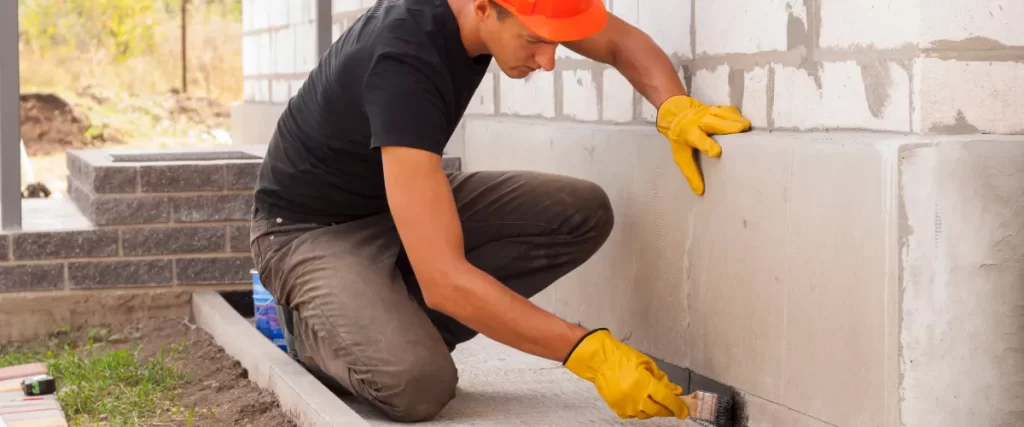
Basement waterproofing is an investment that protects exterior walls and foundation walls for years. Exterior waterproofing adds a protective barrier that shields concrete walls from liquid water. Interior solutions manage moisture issues that seep through despite those barriers.
Pay close attention to window wells and concrete walls where water vapor often collects. Regular maintenance supports a dry basement environment and limits long-term foundation issues.
Protective measures that work well:
- Vapor barrier installation to block moisture vapor
- Proper insulation to keep cold walls warmer
- Seal cracks with professional-grade materials
- Exterior waterproofing to reduce water infiltration
Each of these steps helps protect basement ends and supports a stable living environment.
Drainage Systems That Keep Water Moving
A strong drainage system directs excess water away from the structure. Exterior solutions such as French drains, proper grading, and gutters and downspouts work together to move water safely.
An interior drainage system helps capture water from groundwater seepage before it spreads across the basement floor. An interior weeping tile surrounding the perimeter of the concrete slab guides liquid water toward the sump pit, where a sump pump system takes control.
Discharge water far from the foundation to reduce hydrostatic pressure. This step prevents water from re-entering the soil near foundation walls.
Drainage improvements often include:
- Drainage channel along the edge of the basement floor
- French drains to move water outward
- Sump pit installation with reliable backup
- Proper grading around the foundation perimeter
These steps strengthen the defense against basement flooding, especially during winter storms.
The Role of Sump Pumps in Winter
Install sump pumps that can handle fluctuating water flow during heavy rain and snowmelt. A sump pump system collects excess water and safely moves it outside through a dedicated discharge line.
Regular testing ensures that sump pumps activate when water levels rise. Battery-backed models provide added security if power interruptions occur during winter weather. A properly functioning sump pump supports the broader system and protects basement renovation projects from sudden damage.
Floor and Wall Considerations During Renovation
Concrete floor surfaces often absorb moisture that travels upward. Installing moisture-resistant coatings and vapor barriers minimizes this risk. Cold surfaces on concrete walls may still attract moisture vapor, so consider insulation that supports temperature stability.
Avoid covering areas that show signs of hidden moisture. Once sealed, trapped water encourages mildew growth and structural damage. Inspect regularly for discoloration, damp spots, or that familiar musty smell.
Managing Moisture Sensors and Monitoring
Moisture sensors provide early warnings of rising humidity or water infiltration. These small devices track moisture levels and help pinpoint vulnerable areas along basement walls or flooring.
Keeping tabs on moisture readings supports proactive planning. It allows homeowners to adjust ventilation, improve drainage, or address plumbing leaks before severe damage unfolds.
Window Wells and Exterior Barriers
Window wells attract water and melting snow, particularly when debris settles and blocks flow. Clear them regularly and ensure covers remain secure. Proper drainage around window wells reduces water buildup and minimizes water infiltration.
Exterior waterproofing coatings strengthen resistance against liquid water while supporting long-term durability. These measures complement interior strategies and improve structural integrity.
Indoor Air Quality and Comfort
When basement air becomes saturated with moisture vapor, the entire home feels the effect. Indoor air quality diminishes, and odors can rise through upper living spaces.
Maintaining balanced indoor humidity fosters comfort and supports overall health. The HVAC system works best when moisture problems remain under control. Fresh air circulation, combined with proper insulation, sustains a healthier living environment year-round.
Regular Checks That Prevent Escalation
Regular maintenance makes a lasting difference. Inspections catch warning signs before they lead to costly repairs. This habit protects your investment and preserves the integrity of the basement renovation.
Helpful checks include:
- Monitoring moisture levels across seasons
- Inspecting foundation walls for new cracks
- Clearing gutters and downspouts after storms
- Testing sump pump systems before peak winter conditions
Early attention reduces the risk of structural damage and supports stable moisture control.
Planning a Winter Basement Remodel With Care
Turning a basement into a comfortable habitable space during winter demands thoughtful design and professional insight. Proper ventilation, moisture control, and structural protection work together to manage seasonal challenges.
Address moisture issues before finishing surfaces. This ensures that drywall, flooring, and insulation remain protected from water vapor and excess water. A methodical approach supports energy efficiency and keeps the space enjoyable year after year.
When Professional Help Makes Sense
Managing basement moisture involves coordination between waterproofing, drainage solutions, ventilation, and structural care. Each detail requires experience and precision. For many homeowners, calling a trusted team feels like the more practical route than juggling every step and risk.
If you prefer experienced guidance and reliable workmanship, consider reaching out for support with preventing moisture during basement remodeling. Call us at (732) 788-4737 or message us here to explore options that keep your basement safe, dry, and ready for lasting use.