
If your home sits in a flood zone, a kitchen update or bathroom renovation is never quite as simple as picking out new tile. Port Monmouth flood zone remodeling comes with a layer of rules. Ignore those rules, and you’re looking at fines, failed inspections, and, worst case, a home that’s suddenly uninsurable.
Hurricane Sandy made it painfully clear. A decade-plus of recovery work, federal investments, and ongoing Army Corps of Engineers projects have reshaped how Monmouth County thinks about flood risk.
If you’re planning any kind of home renovation here, you need to understand what’s happening around you and what the federal government expects from your project.
This article covers FEMA’s rules for remodeling in a floodplain, how the Port Monmouth project affects your property, and what a compliant renovation actually looks like in practice.

What Hurricane Sandy Changed for Port Monmouth Homeowners
Sandy didn’t just cause flooding. It exposed how vulnerable the whole coastline really was. The destruction Sandy brought to communities along Raritan Bay and Sandy Hook Bay was the kind that takes generations to process.
It also fast-tracked serious federal attention to places like Port Monmouth, Union Beach, and the surrounding areas in Middletown Township.
The Army Corps of Engineers, through the New York District, launched a major coastal protection effort in the years that followed. The Port Monmouth project is a multi-phase flood risk management initiative that includes:
- Road raising along Campbell Avenue and other key corridors
- Tide gates and road closure gates to hold back storm surges
- Interior drainage improvements and pump stations to manage heavy rainfall
- Marsh systems and wetlands mitigation to provide critical wildlife habitat and help control shoreline erosion
- Work along Compton Creek, Pews Creek, and the surrounding drainage systems
The final phase is now underway. The contract award represents one of the last major milestones in a more than decade-long effort. Congressman Frank Pallone Jr. has been vocal about the project’s role in safeguarding coastal communities against future storms and rising sea levels.
This isn’t just a government infrastructure story. It directly affects what you can and can’t do with your home.
FEMA Rules and Why They Apply to Your Remodel
If your home is in a Special Flood Hazard Area, FEMA’s National Flood Insurance Program has rules that take effect when your remodel exceeds certain cost thresholds.
The big one is the Substantial Improvement Rule. If your renovation costs more than 50% of your home’s pre-improvement market value, the entire structure must be brought into compliance with current floodplain regulations.
That could mean elevating the home, installing flood vents, or completely restructuring the foundation.
| Scenario | FEMA Threshold | Requirement |
| Minor cosmetic updates | Under 50% of market value | Standard permits only |
| Major remodel (kitchen, addition, etc.) | Over 50% of the market value | Full floodplain compliance |
| Cumulative improvements over time | 50% total over a rolling period | Still triggers compliance |
| Commercial structures | Varies by municipality | Check with Monmouth County |
The FEMA Flood Map Service Center is where you can look up your property’s flood zone designation. It’s worth doing before you call a contractor.
What “Compliant” Actually Looks Like in Port Monmouth
Compliance isn’t just paperwork. It shows up in the physical decisions you make during a remodel.
Elevation Certificates
You’ll likely need an elevation certificate showing how your home sits relative to the Base Flood Elevation. This affects everything from your insurance premiums to permit approval. If you’re adding livable square footage or touching the structure, expect this to come up early.
Flood Vents and Foundation Requirements
Enclosures below the Base Flood Elevation need to be built to allow floodwaters to pass through, not trap them. That means flood vents in foundation walls and no finished living space below the flood line.
What This Means for Kitchen and Bathroom Remodels
A kitchen remodel can hit that 50% threshold faster than most people expect, especially in homes where the assessed value hasn’t kept pace with real renovation costs.
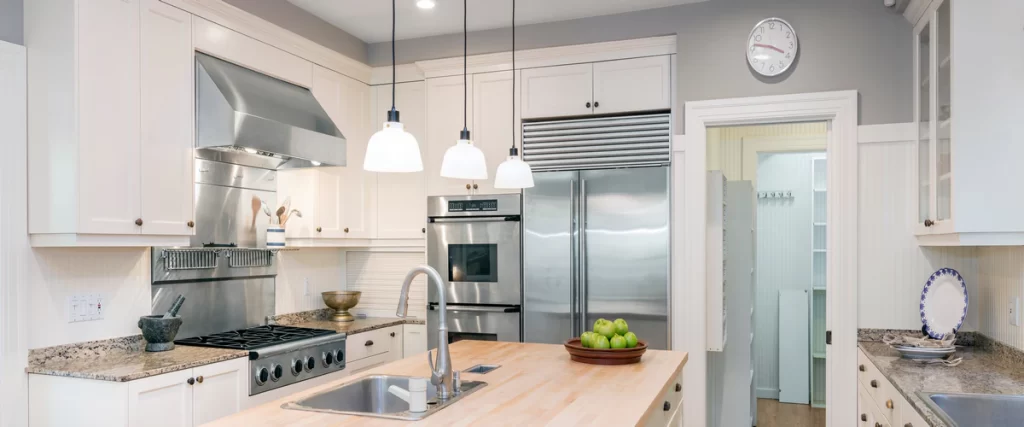
If you want to see what a full kitchen renovation looks like when it’s done right in a coastal environment, at Renewal Solutions, we handle this kind of work regularly and understand local compliance requirements.
Climate Resilience and Your Property Value
The Port Monmouth project, once fully funded and complete, is expected to deliver valuable community flood protection to thousands of residents along the Raritan Bay shorelines.
But coastal protection at the infrastructure level only goes so far. Individual properties still carry their own flood risk, especially as sea level rise and severe weather events become more frequent.
Homes that have been properly elevated and renovated to meet FEMA standards often see lower flood insurance costs and stronger resale value. Buyers in Monmouth County are paying close attention to flood risk disclosures now, and that trend isn’t reversing.
There’s also real upside to getting this right. Climate resilience efforts at the federal level are increasing, and a home that can withstand future storms is worth more in every practical sense, financially and otherwise.
Port Monmouth Flood Zone Remodeling: Common Questions
Do I need a special permit to remodel in a flood zone in Port Monmouth? Yes. Any significant work on a home in a Special Flood Hazard Area requires a floodplain development permit through Middletown Township, on top of standard building permits.
How do I find out if my home is in a flood zone? Check the FEMA Flood Map Service Center using your property address. Your insurance provider likely has this on file as well.
Can I finish my basement if I’m in a flood zone? Generally, no. Finished living space below the Base Flood Elevation is not permitted under FEMA guidelines. You can use the space for storage with flood-compliant vents, but not as a bedroom or rec room.
What happens if I remodel without following floodplain rules? Failed inspections, denial of flood insurance claims, and fines. In some cases, you may be required to tear out completed work and redo it to code.
Does the Army Corps of Engineers project affect my flood insurance rates? Potentially. As the Port Monmouth project reaches its final phase and flood risk maps are updated, some properties may see changes to their flood zone designation, which can shift NFIP premiums in either direction.
What is the Disaster Relief Appropriations Act? It’s the federal legislation passed after Hurricane Sandy that authorized major funding for recovery and resilience projects, including the Port Monmouth flood work. The Army Corps of Engineers has administered much of this funding through Phase II and subsequent phases of coastal protection across New Jersey’s coastline.
Let a Pro Handle This
Navigating flood zone regulations, elevation certificates, FEMA thresholds, and local permits is a lot to manage on top of an actual renovation. The consequences for getting them wrong are real, and in Port Monmouth flood zone remodeling, the details matter more than almost anywhere else in the region.
The easier path is working with a contractor who already knows this terrain, knows the permit process, and knows how to keep your project compliant without turning it into a headache. Call us at (732) 788-4737 or message us here, and we’ll take it from there.