
Your contractor is booked, your permits are pending, and demo day is finally on the calendar. Then the inspector finds something buried in the backyard, and suddenly everything stops.
For many New Jersey homeowners, that something is an old oil tank or a failing septic system.
New Jersey has a massive stock of older housing, and many of those homes were built before natural gas lines reached most neighborhoods. That means underground oil tanks and aging septic systems are everywhere.
This article will walk you through what you need to know: the risks, what the law requires, and what the remediation process actually looks like.
Why Oil Tanks and Septic Systems Come Up During Remodels
A whole-home remodel usually involves permits, and permits mean inspections. That’s often when buried surprises get discovered.
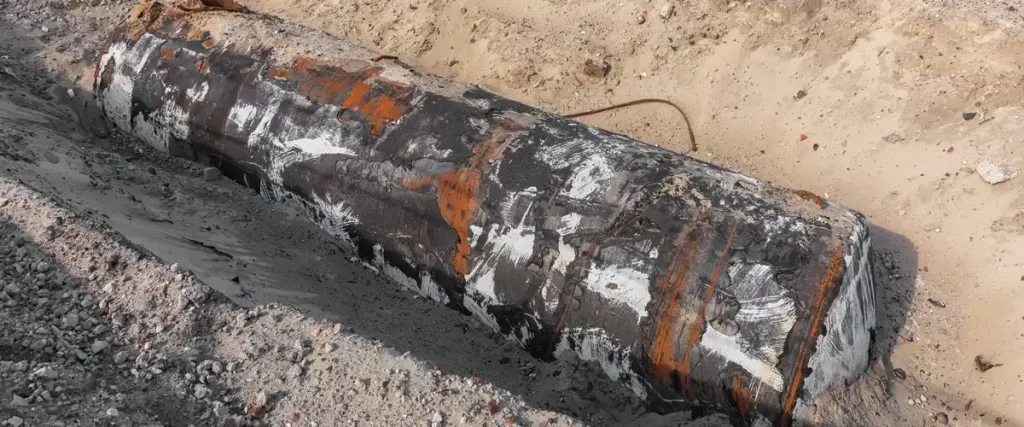
An old underground oil tank might have been decommissioned decades ago and completely forgotten. The previous owners filled it with sand or concrete and moved on.
But here’s the thing: filling a tank doesn’t make it safe.
Over time, corrosion sets in, the steel breaks down, and heating oil residue can leach into the surrounding soil. If that happens near a basement addition or a new foundation, you have a real problem.
Septic systems create a different kind of headache. If you’re expanding square footage, adding a bathroom, or building an addition, your current system may not have the capacity to handle the increased load.
New Jersey municipalities take this seriously, and most towns will require you to either upgrade the system or demonstrate it can handle the new demand before issuing permits.
Underground Oil Tanks: What NJ Requires
A leaking tank doesn’t just affect your property. Soil contamination can spread to neighboring land and, in serious cases, reach groundwater.
In New Jersey, residential heating oil tank regulation is split between two agencies.
The NJ Department of Community Affairs (DCA) governs the removal and abandonment process through the Uniform Construction Code, with permits issued by your local municipality.
The NJDEP steps in specifically when a discharge, meaning a confirmed leak or contamination, is discovered, overseeing the cleanup through its Unregulated Heating Oil Tank (UHOT) Program.
If your property has a buried oil tank, here’s what the process generally looks like:
- Tank location — A contractor uses specialized equipment to find the tank if its exact position isn’t documented.
- Soil testing — Before and after removal, the surrounding soil is tested for contamination.
- Permit filing — Tank removal requires a permit from your county or municipality.
- Excavation and removal — The tank is dug up and legally disposed of.
- Remediation (if needed) — If contamination is found, soil remediation begins. This is the step that can get costly.
Non-leaking tanks are obviously the best-case scenario. The removal cost is manageable, and you can move forward with your remodel relatively quickly.
A leaking tank is a different story. Cleanup costs can climb significantly depending on how far the contamination has spread and whether groundwater is involved.
The Difference Between Above-Ground and Underground Tanks
| Feature | Underground Tank | Aboveground Tank |
| Detection difficulty | High, often hidden | Low, visible |
| Corrosion risk | High over time | Lower, easier to inspect |
| NJ permit required | Yes | Yes |
| Soil testing needed | Almost always | Sometimes |
| Remediation likelihood | Higher | Lower |
| Impact on remodel timeline | Significant | Usually minimal |
If your home was built before the 1980s and you’ve converted to natural gas, there’s a good chance the old tank is still buried.
Check for vent pipes on the exterior of your house or fill pipes near the foundation. Those are strong signs that a tank is still present.
Septic System Challenges for NJ Remodels

For homes not connected to a municipal sewer line, the septic system is what makes everything work. It’s also what can bring a remodel to a halt.
When you add square footage or additional plumbing, the first step is usually a system evaluation.
Your contractor or an environmental professional will assess whether the existing septic system has the capacity for the new demand. If it doesn’t, you’re looking at an upgrade or full replacement before construction can move forward.
New Jersey also requires that any new construction or major addition maintain proper setbacks from the septic system. Digging too close to the drain field or the tank itself can damage the system or create compliance issues with your county.
The NJDEP’s Division of Water Quality provides guidance on septic requirements for residential construction across the state. It’s worth reviewing if you’re early in your planning process.
Signs You Might Have a Problem Before You Start
Don’t wait for an inspector to find something. If you understand the warning signs, you can get ahead of it:
- Slow drains or gurgling pipes throughout the house
- Wet spots or unusually green patches near the septic area
- Odors near the basement or exterior walls
- Vent pipes or fill caps you don’t recognize on the outside of the house
- No record of oil tank removal in the property history
Getting a soil test or tank sweep done before your remodel kicks off is a smart move.
It gives you accurate information and prevents the situation where a contractor shows up on day one and has to stop work while you figure out what’s underground.
How These Issues Affect Home Buyers and Sellers
If you’re planning to sell after renovating, unresolved tank or septic issues will almost certainly surface during the buyer’s inspection.
Property owners in New Jersey are required to disclose known environmental issues, and home buyers routinely request oil tank sweeps before closing.
Addressing the issue now, before listing, puts you in a much better position. It removes a negotiation point and legally protects you.
FAQ: Oil Tanks and Septic Systems in NJ Remodels
How do I find out if my property has a buried oil tank? Start with your property records and any documentation from previous owners. If that’s inconclusive, a professional tank sweep uses ground-penetrating radar or magnetometers to locate buried tanks without digging.
Does NJ law require me to remove an old underground oil tank? NJ requires that abandoned tanks be properly decommissioned. Simply abandoning a tank in place without following the proper procedures is illegal. If a tank is discovered during a remodel, removal is typically required before permits are finalized.
What does soil remediation involve? Remediation means removing contaminated soil and, depending on severity, treating the site to acceptable environmental standards. Environmental professionals handle the process and work with the NJDEP to confirm the site is clean.
Can I still remodel if my septic system is older? Possibly, but you’ll need a system evaluation first. If your addition is small and the existing system has enough capacity, you may be fine. Larger additions almost always trigger a review, and some require system upgrades.
Who pays for oil tank cleanup in NJ? Generally, the current property owner is responsible. There are some assistance programs through the state for homeowners in certain situations, but in most cases, the cost falls on the owner. This is why catching issues early and budgeting accordingly matters so much.
How long does tank removal take? Removal itself can happen in a day or two for straightforward cases. If contamination is found, remediation can take weeks to months, depending on the extent of the problem.
A Lot to Navigate Alone
Rather than spending weeks coordinating multiple contractors and trying to understand what the municipality requires, the easier path is to work with a team that handles it all.
Renewal Solutions works with New Jersey homeowners on exactly these kinds of situations, helping move projects forward even when environmental issues are part of the picture.
If you’re staring down a remodel and you’re not sure what’s underground or whether your septic can handle it, call us at (732) 788-4737 or message us here. Better to know now than find out on demo day.