
Many older homes in Middletown and Colts Neck were once heated by oil. Long before natural gas lines reached these neighborhoods, thousands of homes with fuel oil tanks were buried quietly in front yards or behind foundations.
Decades later, many of these underground oil tanks remain hidden, forgotten until someone begins to dig for a home remodel.
For homeowners planning to renovate, an unseen tank can turn an exciting project into a delay that lasts weeks or longer. The discovery often adds unexpected costs, environmental reviews, and in some cases, soil cleanup.
Why So Many Tanks Are Still Buried
Between the 1940s and 1980s, underground storage tanks were considered the standard way to store heating oil. When gas service arrived, most homeowners switched fuels but left the old tanks buried. The tanks were often drained and capped, but not always properly cleaned or documented.
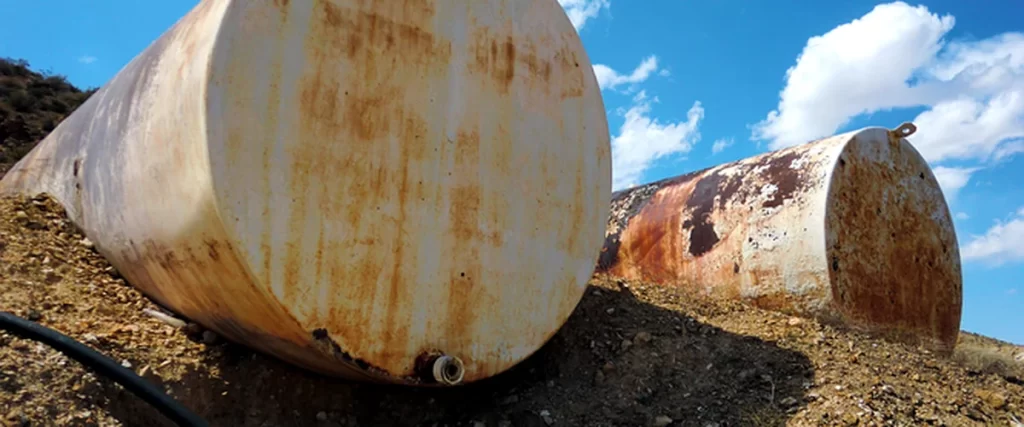
Now, decades later, the steel shells have rusted. Many have small holes that allow oil residue to leak slowly into the surrounding soil.
Leaking underground storage tanks have become one of New Jersey’s toxic legacies, affecting thousands of properties. The New Jersey Department of Environmental Protection (NJDEP) estimates there are still tens of thousands of buried tanks across the state.
In places like Colts Neck and Middletown, where homes sit on large lots, tanks were often buried far from the foundation. Over time, landscaping, patios, and driveways covered them. That’s why many homeowners have no idea there’s a tank underground, until a contractor begins excavation for an addition or new foundation.
How Tanks Complicate Remodeling Projects
A hidden oil tank changes everything about a remodeling timeline. What seems like a simple addition or foundation repair can stop immediately once a tank is discovered. The project can’t continue until the situation is investigated.
The complications can include:
- Testing and verification. Soil testing is needed to confirm whether the tank has leaked.
- Permitting delays. Local building departments usually require all tank issues to be resolved before issuing further permits.
- Excavation work. Even empty tanks must be removed by a licensed tank removal company.
- Environmental cleanup. If a leaking oil tank has contaminated the soil, cleanup must meet NJDEP standards.
Each step adds time and cost. What might begin as a one-week foundation job can stretch to several weeks of testing, removal, and remediation.
Signs a Tank Might Be Buried
Many homeowners discover a tank only when construction uncovers it, but there are small clues that can appear before then:
- Metal fill pipes or vent pipes near the side of the house
- An old oil line running through the basement wall
- Historic property records mentioning “UST” (underground storage tank)
- Soil depressions or circular discolorations in the yard
If you suspect a tank might be buried, it’s best to schedule a scan before any excavation begins. This small step can prevent a larger disruption later.
The Hidden Liability for Homeowners
Even if the tank isn’t actively leaking, owning one carries risk. In New Jersey, property owners are responsible for contamination that occurs on their land, even if it happened decades earlier. That means a leaking oil tank discovered during a remodel can quickly turn into a major expense.
Cleanup can cost several thousand dollars in mild cases, but serious cases with heavy soil contamination have reached tens of thousands. Insurance companies often deny claims related to underground tanks, calling them hidden liabilities that predate the policy.
For anyone planning to sell a house in Colts Neck or Middletown, a buried tank can also affect the deal. Buyers, lenders, and inspectors often require proof of tank removal or environmental testing before finalizing the sale. Waiting until a remodel or sale to deal with it almost always leads to more stress.
What Happens During Oil Tank Removal
A standard tank removal process involves several careful steps. First, the area is marked for excavation, and the tank’s location is verified. Then the soil is opened, usually with a small excavation crew. Once the tank is exposed, technicians cut an opening to inspect and clean any residue.
If oil leaks are found, the surrounding soil must be tested and possibly removed. The NJDEP requires specific cleanup standards to protect the environment and groundwater. The removed soil is disposed of at an approved facility, and documentation is filed with the state.
Once the site is backfilled and restored, the property owner receives a closure report. This document becomes part of the home’s permanent record and helps protect future resale value.
How These Discoveries Upset Remodeling Plans
For contractors, hidden tanks can halt progress without warning. Excavators might hit the top of a tank while digging footings or trenches. Work must stop immediately while the area is made safe. No contractor wants to risk breaking into an unknown container filled with oil residue.
Remodeling schedules often depend on precise sequencing. When a tank is found, other trades — plumbers, electricians, masons — must wait. What started as a simple yard expansion or foundation repair can sit idle while testing and removal take place. Homeowners become frustrated, and budgets grow tight.
In many projects, the tank removal and cleanup can cost as much as a major portion of the remodel itself. That’s why experienced contractors in Middletown and Colts Neck often recommend checking for tanks early in the planning stage.

The Emotional Toll
Beyond the financial stress, there’s real disappointment when a dream project hits an obstacle. Homeowners imagine a finished addition or new living space, only to learn they’re facing an environmental problem buried in the ground.
Many describe feeling blindsided. They didn’t install the tank, and they didn’t cause the leak, but now they’re responsible for fixing it. These discoveries often happen in the front yard or near the driveway, visible reminders of the setback.
Still, resolving the issue is better than leaving it hidden. Oil leaks left unattended continue to spread slowly, raising the cost of future remediation. Early action limits the damage and makes the home safer.
Why Colts Neck and Middletown Face More Cases
These towns have some of the highest concentrations of older single-family homes in Monmouth County. Many were built before gas lines were available. Because the properties are larger than in nearby urban areas like New Brunswick, tanks were often buried farther from the house, where they were forgotten.
Over the years, landscaping and renovations covered those locations. When new projects begin, contractors frequently discover tanks by accident. Reports in local news and even segments on NJTV News have highlighted New Jersey’s toxic legacy of abandoned tanks that continue to surface during construction.
In smaller suburban towns, this problem isn’t as widespread, but in Colts Neck and Middletown, it’s part of the local story, one that affects thousands of homeowners.
Preventing Surprises Before Remodeling
A little preparation goes a long way. Before planning any buried tank home remodel, consider:
- Scheduling a tank scan. Specialized equipment can detect metal tanks several feet underground.
- Reviewing property history. Older oil heating systems almost always had tanks.
- Asking previous owners. Long-term residents may recall where the fill cap used to be.
- Budgeting for testing. A small allowance for environmental testing prevents larger surprises.
By checking early, you can avoid halting a remodel mid-construction and facing weeks of unexpected paperwork.
The Broader Environmental Story
Hidden oil tanks are a huge part of New Jersey’s environmental protection challenge.
The state has worked for years to manage contamination from underground storage tanks, including old gas stations and home systems. Cleanup programs and stricter removal requirements have reduced risk, but many tanks remain unrecorded.
When a leaking oil tank is removed and cleaned up correctly, it protects not only the property but also groundwater and nearby ecosystems. Each proper removal adds to the collective effort to repair Jersey’s toxic legacy.
A Practical Way Forward
Discovering a tank can feel overwhelming, but it’s a solvable problem. Once identified, it can be handled safely and permanently. When it’s gone, remodeling can resume with confidence.
Still, the process — testing, excavation, remediation, and paperwork — takes coordination. Many homeowners prefer to leave those steps to professionals who understand both construction and environmental regulations.
If you’d rather focus on your renovation and let home remodeling experts manage the complexities of tank removal and remediation, call us at (732) 788-4737 or message us here. Our team handles projects across Middletown and Colts Neck, providing clear communication and dependable results so your home remodel moves forward safely.